Ant Control · Vero Beach, FL
Carpenter Ants, Fire Ants and Ant Control in Vero Beach, FL
Ants are the pest I get asked about most in this county, and they are also the pest people most often make worse by accident. A can of spray on a kitchen trail can turn one colony into five.
- Same day service option
- Free inspection request
- Vero Beach · Indian River County
Quick answer
Ant control in Vero Beach starts with naming the ant. Carpenter ants, fire ants, ghost ants and white footed ants each act differently, and the wrong product can scatter them. Baits that workers carry back to the colony solve most problems. Vero Beach Pest Control connects you with a local technician who identifies the ant and builds a plan for your home and yard.
The Ants We See Most
- Carpenter ants: Large ants that come out mostly at night. They often nest in wet or damaged wood, hollow spaces, attics and tree holes. Piles of wood bits and insect parts can mark a nest.
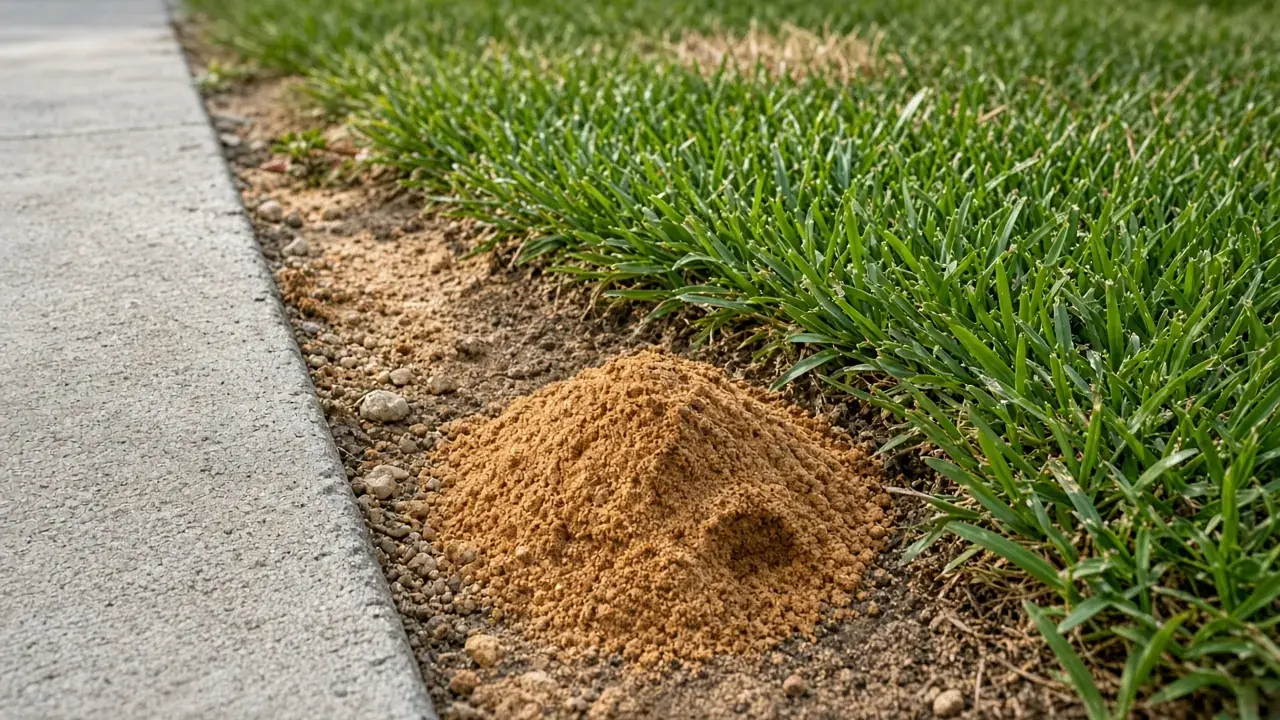
- Fire ants: Reddish brown ants that build loose dirt mounds in lawns and along sidewalks. They sting hard and attack as a group when the mound is disturbed.
- Ghost ants: Tiny ants with a dark head and a pale, almost clear body. They love sweets and moisture and show up in kitchens and bathrooms.
- White footed ants: Small black ants with pale feet. They trail along walls, roof eaves and tree limbs in huge numbers.
Carpenter Ants in Vero Beach Homes
These big ants do not eat wood like termites do. They tunnel into it to nest, and they prefer wood that is already soft from water. When I find them inside a home here, I almost always find a moisture problem nearby: a leaking window, a roof valley that holds water, or a soffit where rain gets in.
Fixing the moisture is part of the treatment. Without that step, ants come right back.
Fire Ants in the Yard
Mounds pop up after rain across lawns, parks and ball fields. UF/IFAS explains that these ants also nest in rotting logs, around trees, under pavement and buildings, and even inside electrical equipment, where they can cause short circuits. A mound has several entrances below the surface, not just one hole on top.
UF/IFAS describes a two step approach for this pest. First, spread a bait across the yard. Second, treat individual mounds that need fast results, such as those near walkways or play areas. UF/IFAS also notes that even if the queen dies, the remaining ants can stay or form a new mound until they die off, so patience matters.
White Footed Ants: A Florida Nuisance
White footed ants are a big complaint in coastal Florida. UF/IFAS reports they were first found in the state at a nursery in Homestead in 1986. Colonies can range from 8,000 to 3 million ants. The good news is that they do not bite or sting and have not been reported to cause structural damage.
The challenge is their numbers. UF/IFAS explains that workers share food with nestmates through special eggs that do not hatch. It also notes liquid baits work and sprays do not. A slow, steady baiting plan is the answer.
What Your Technician Will Do
- Identify the ant
Your technician collects a sample and confirms the species. This decides the bait and the method.
- Find the trails and nests
Ants leave clear paths. Following them leads to nests in walls, under slabs, in the yard or in trees.
- Bait instead of spray inside
Baits go along trails where ants feed. Spraying a trail often splits colonies and spreads the problem, which is common with ghost ants and white footed ants.
- Treat the outside
Fire ant baits go out over the lawn. Mounds near high traffic spots may get direct treatment. Foundation and eave areas get attention where ants enter.
- Fix what draws them
Your technician points out moisture, wood damage, branches touching the roof, and food sources like pet bowls or sugary spills.
- Follow up
Bait takes time to work through a colony. A return visit checks results and refreshes bait if needed.
Tips to Keep Ants Out
- Trim tree limbs and shrubs so they do not touch the house or roof.
- Keep counters clean and store sweets in sealed containers.
- Fix leaks and replace water damaged wood.
- Keep mulch a few inches away from the foundation.
- Do not kick, flood or dig up a fire ant mound. It just moves the colony.
Fire Ant Stings and Safety
Fire ant stings burn and often turn into small white blisters. Do not break them. Some people react strongly. Call 911 if someone has trouble breathing, swelling of the face or throat, or feels faint. Keep a close eye on small children and pets in the yard.
Ant Control Questions
Are these big wood nesting ants as bad as termites?
They do not eat wood, but they hollow it out to nest. They usually point to a moisture problem that needs fixing.
Why do ant sprays make things worse?
Many ants split their colony when stressed. Spraying can scatter them into new spots. Baits reach the colony instead.
How long do baits take to work?
Expect a few days to a few weeks, depending on the ant and the colony size. Keep baits in place and avoid spraying near them.
Do white footed ants bite?
No. UF/IFAS confirms they do not bite or sting. They are a nuisance because of their huge numbers.
What is the best fire ant treatment for a lawn?
UF/IFAS recommends a two step plan: a broadcast bait across the yard plus treatment of individual mounds that need quick control.
Same day service option
Get Ant Control in Vero Beach
From carpenter ants in a soffit to fire ants in the lawn, a plan that reaches the colony works best. Send the short form, and a local technician will reach out.
More services
Other pest control services in Vero Beach, FL
Termite Control
Drywood, Formosan and native subterranean termite inspections and treatment plans.
Rodent Control
Roof rat and mouse inspections, trapping and exclusion that seals the gaps.
Roach Control
Palmetto bug and German cockroach plans built on baits, sealing and follow up.
Bed Bug Treatment
Careful bed bug inspections and treatment plans for homes, condos and rentals.
Mosquito Control
Yard mosquito programs that cut breeding sites and treat resting areas.
Wildlife Removal
Raccoon, iguana, armadillo and snake problems handled with Florida rules in mind.
Lawn Pest Control
Chinch bug, sod webworm and grub programs built on UF/IFAS lawn care.
Sources
- UF/IFAS Extension: White footed ant
- UF/IFAS Sustainable Florida Yards: Sustainable fire ant control
- U.S. EPA: Introduction to Integrated Pest Management
- FDACS: Pest control consumer rights and responsibilities