Termite Control · Vero Beach, FL
Termites and Termite Control in Vero Beach, FL
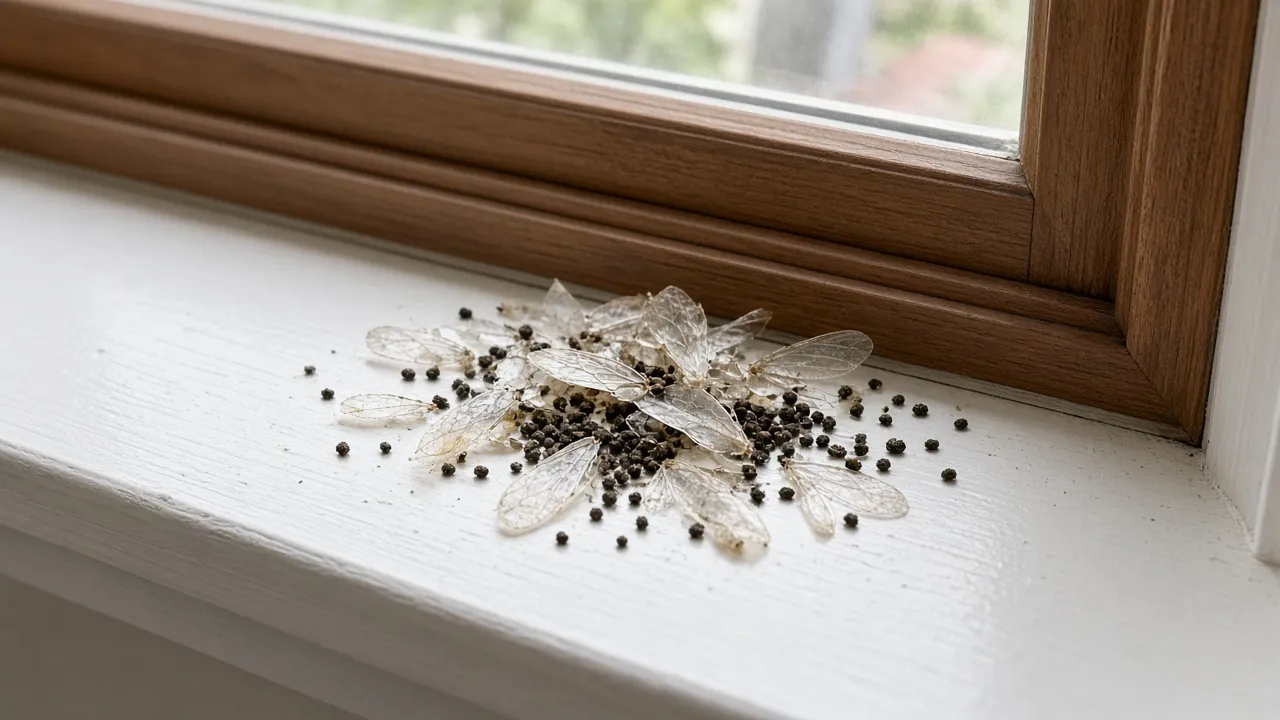
I have crawled more Vero Beach attics than I can count. The pile of tiny pellets on a window sill is still the sign I see most often, and it is the one most people sweep up and forget.
- Same day service option
- Free inspection request
- Vero Beach · Indian River County
Quick answer
Vero Beach homes face two kinds of termite pressure at once. Drywood colonies live inside the wood with no contact with soil. Subterranean colonies, including the Formosan species, come up from the ground. Each one needs a different plan. Vero Beach Pest Control connects you with a local technician who inspects first, names the termite, and then explains the treatment choices.
Why Wood Eaters Do So Well Here
Our coast stays warm most of the year, and the summer rains soak the sandy soil. Wood framing, wood trim and old furniture sit in humid air near the Indian River Lagoon and the ocean. That mix suits them. I see the most damage in older homes, in wood that stays shaded and protected, and in places where a small roof leak went unnoticed for a season.
UF/IFAS reports that the West Indian drywood termite is the main drywood pest in south Florida, with the largest populations in older buildings. The same group also notes the Formosan subterranean termite is now found throughout Florida, mostly in dense urban areas. Both show up in Indian River County.
The Three Kinds We Deal With
- West Indian drywood termite: They live in sound, dry wood such as window frames, door frames, rafters, trim and furniture. They never need soil. One house can hold many small colonies.
- Formosan subterranean termite: They build large colonies in the ground and can also nest inside walls. They pack voids with a hard mix of soil, chewed wood and saliva that UF/IFAS calls carton.
- Native subterranean species: These are the common ground dwelling kind found across the state. They travel up into homes through mud tubes.
Signs to Look For
Termites hide well. Most homeowners never see a worker. Here is what usually gives them away.
- Pellets: Drywoods push their droppings out through tiny holes. UF/IFAS says these kick out holes are usually 1 to 2 mm wide, and the pellets are six sided when you look closely. They can be cream, red or black. A small pile under a sill or on a counter is a classic sign.
- Blistered paint or thin wood: Paint that bubbles or wood that sounds hollow when tapped can mean they are feeding just under the surface.
- Mud tubes: Pencil wide tubes of soil running up a foundation, a pier or a garage wall point to a subterranean colony.
- Swarmers and wings: Winged swarmers fly out to start new colonies. Piles of shed wings on sills or near lights are a strong clue.
One note from the field: a mud tube or old damage alone does not prove an active colony. UF/IFAS points out that live insects are needed to confirm activity. That is why a careful inspection matters before anyone sells you a treatment.
Termite Swarm Season in Vero Beach
Spring is when the phone rings. UF/IFAS says the Formosan termite in Florida usually swarms between early April and late June, shortly after sunset, with a peak in May. The swarmers are drawn to lights, so they gather at porch lights, pool cage lights and windows.
Drywoods also send out swarmers. UF/IFAS lists their flights from April to June, but they can happen any time of year. If you see winged insects inside, save a few in a sealed bag or on clear tape. That helps your technician tell a termite from a flying ant.
What Your Technician Will Do
- Inspect the whole structure
Your technician checks the attic, garage, window and door frames, baseboards, the exterior walls and the soil line. Moisture readings and a tap test help find hidden damage.
- Name the termite
Pellets point to drywoods. Mud tubes and carton point to a subterranean colony. The treatment depends on this step, so it should never be a guess.
- Explain the choices
For drywoods, choices can include spot treatment of a small, reachable area or whole structure fumigation. UF/IFAS notes that nearly all structural fumigation in Florida is done for the West Indian drywood termite. For subterranean colonies, choices often include a liquid soil treatment or a bait system around the home.
- Treat and document
The technician treats the areas agreed on and records what was used and where. Florida law requires licensed pest control businesses to follow product labels and state rules.
- Follow up
Termite work is not a one visit job. A follow up inspection confirms the plan is working and catches new activity early.
Tenting and Fumigation, Plainly Explained
Termite tenting, also called termite fumigation, covers the whole house with tarps and fills it with a gas that reaches every piece of wood. It is the method used when drywoods are spread through walls and the attic where spot work cannot reach. You leave the home during the job and return only after it is cleared as safe.
Fumigation kills the insects that are there when it happens. It does not leave lasting protection. New swarmers can fly in later, which is why regular inspections still matter.
Keep Termites Away From Your Home
- Fix roof and plumbing leaks fast. Wet wood draws subterranean colonies.
- Keep mulch and soil a few inches below the top of the foundation and away from siding.
- Point sprinklers away from walls.
- Store firewood and lumber off the ground and away from the house.
- Check used furniture and antiques before you bring them inside. UF/IFAS notes drywoods infest furniture too.
- Leave a clear gap so you can see the foundation. That makes mud tubes easy to spot.
Termite Questions
How do I know if I have drywood or subterranean termites?
Drywoods leave small, six sided pellets. Subterranean colonies leave mud tubes and soil packed into damaged wood. A technician can confirm which one you have.
When do termites swarm in Vero Beach?
Most swarms happen in spring. UF/IFAS reports Formosan swarms peak in May, just after sunset. Drywood flights run mostly from April to June.
Is tenting the only way to treat drywoods?
No. Small, reachable infestations can often be spot treated. Tenting is used when activity is spread out or hidden in many places.
Do Formosan colonies really eat more than other kinds?
Formosan colonies are large and can forage over a wide area. That is why they are treated as a serious pest. UF/IFAS has full details in its Formosan termite guide.
How can I check a termite company?
Florida requires pest control businesses to hold a license from FDACS. You can search licensed companies and file a complaint through the FDACS pest control pages.
Same day service option
Book Termite Control in Vero Beach
Pellets on the sill or wings by the porch light are worth a look before they become a repair bill. Send the short form and a local technician will reach out to set up an inspection.
More services
Other pest control services in Vero Beach, FL
Rodent Control
Roof rat and mouse inspections, trapping and exclusion that seals the gaps.
Roach Control
Palmetto bug and German cockroach plans built on baits, sealing and follow up.
Bed Bug Treatment
Careful bed bug inspections and treatment plans for homes, condos and rentals.
Mosquito Control
Yard mosquito programs that cut breeding sites and treat resting areas.
Ant Control
Baiting plans for carpenter, fire, ghost and white footed ants that reach the colony.
Wildlife Removal
Raccoon, iguana, armadillo and snake problems handled with Florida rules in mind.
Lawn Pest Control
Chinch bug, sod webworm and grub programs built on UF/IFAS lawn care.
Sources
- UF/IFAS Extension: Formosan subterranean termite
- UF/IFAS Extension: West Indian drywood termite
- FDACS: Pest control consumer rights and responsibilities
- FDACS: Pest control licensing
- U.S. EPA: Introduction to Integrated Pest Management